
[ad_1]
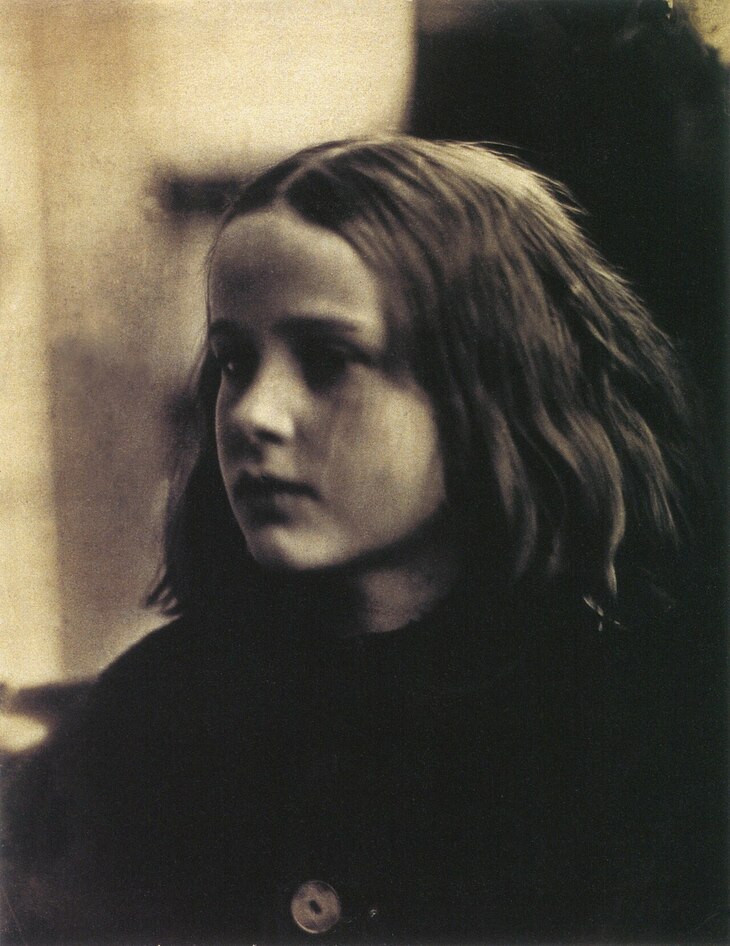
“I was in a transport of delight. I ran all over the house to search for gifts for the child. I felt as if she entirely had made the picture.”
This was the reaction of Julia Margaret Cameron to capturing what she deemed her first ‘successful’ portrait photograph; a profile of Annie Philpot, the young daughter of a family staying with her.
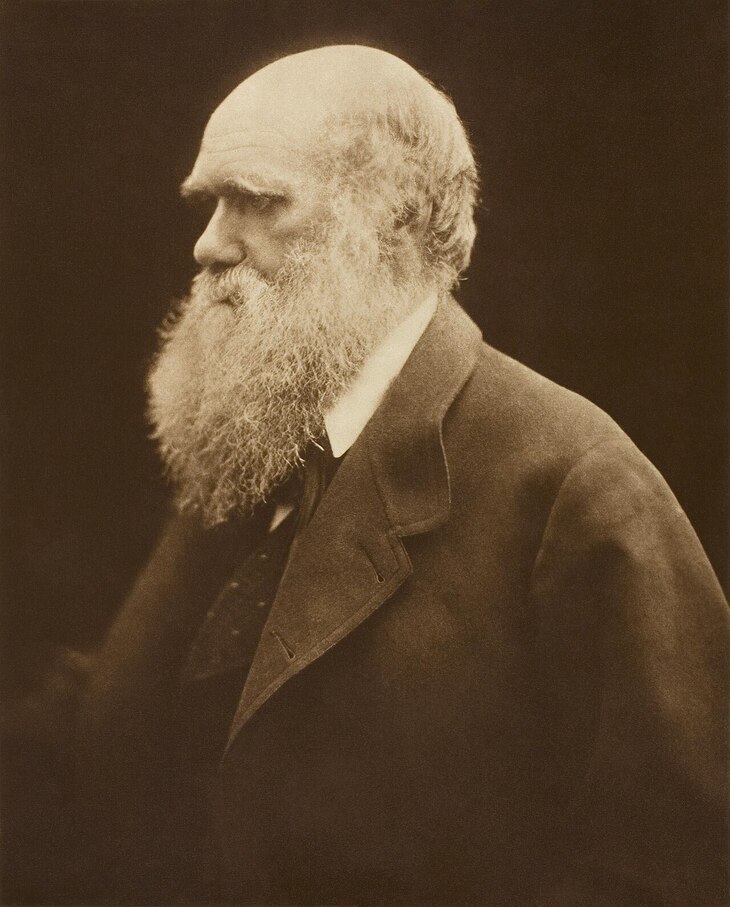
Though Cameron was 48 by the time she first picked up a camera, she would go on to become a pioneer of portrait photography, capturing images of some of the era’s defining figures — Charles Darwin, Alfred Tennyson, Ellen Terry, Alice Liddell — as well as ‘dressing up’ family and friends as biblical and mythological characters.
Incorporating trailblazing techniques such as scratches, smudges and soft focus, Cameron was not always appreciated by her peers or critics. “Mrs. Cameron exhibits her series of out-of-focus portraits of celebrities,” snapped the Photographic Journal in 1865, “In these pictures, all that is good in photography has been neglected and the shortcomings of the art are prominently exhibited.
“We are sorry to have to speak thus severely on the works of a lady, but we feel compelled to do so in the interest of the art.” Uh huh.
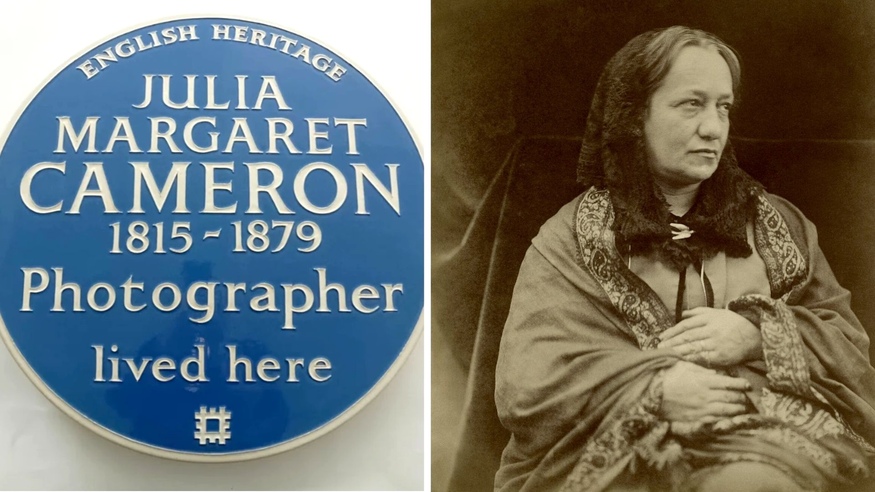
Though under-appreciated in her lifetime, the timeless dreaminess of Cameron’s photography ultimately gave such naysayers what for, and in May 2026, an English Heritage Blue Plaque was unveiled at her former home at 10 Chesham Place in Belgravia — Cameron’s first London residence, which she to moved to from her birthplace, India.
Cameron hadn’t yet embarked on her photographic career when living at 10 Chesham Place; that only happened after she moved to the Isle of Wight, where she turned her coal-house into a dark room, and went on to produce over 900 photos, before she died, aged 63.
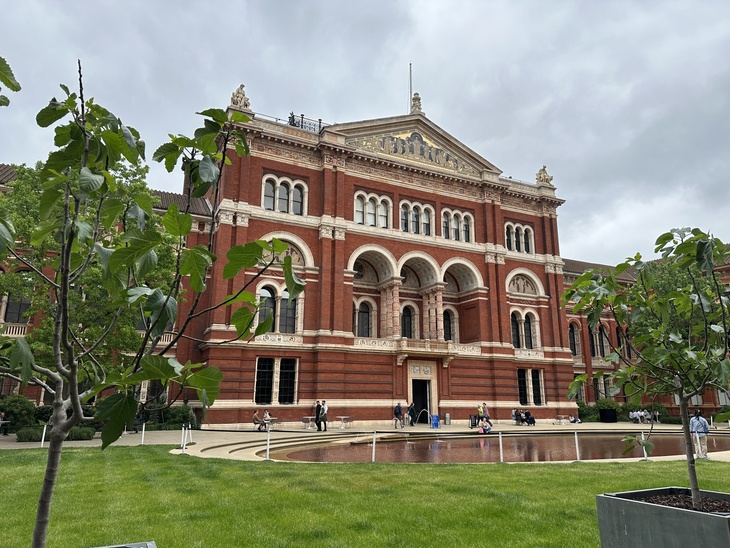
She does, however have strong links with this part of London, not least the nearby V&A South Kensington. “I write to ask you if you will… exhibit at the South Kensington Museum a set of Prints of my late series of Photographs that I intend should electrify you with delight and startle the world.” So wrote Cameron to Henry Cole, founding director of the V&A in February 1866. Cole transpired to be one of the few art world bigwigs to believe in Cameron, and the V&A was the only museum to display her work during her lifetime. It now holds many of Cameron’s photographs, as well as letters between her and Henry Cole.
Said Jules Cameron, great-granddaughter of Julia Margaret Cameron: “She saw photography not simply as a record, but as a way of revealing the soul. To have her honoured with a Blue Plaque feels like a quiet
continuation of her work fixing her presence once more in light and memory.
“She wasn’t interested in perfection, but in truth, in feeling, in humanity. A Blue Plaque feels entirely fitting
for someone so gloriously unconventional, and I think she would have absolutely loved it.”
Read up more about Julia Margaret Cameron, and see more of her photos on the V&A’s website.
[ad_2]
Source link


No Comment! Be the first one.