
[ad_1]
The parking lot that changed British art
Art

Express newspaper
12/05/2026 20:43
Two decades after opening in a multi-storey car park in Peckham, London, Bold Tendencies continues to be considered one of the most distinctive contemporary art spaces in Britain.
The project, which began as an artistic intervention in a concrete building, has significantly influenced the way art is exhibited, combining sculpture, performance, music, architecture and urban life.
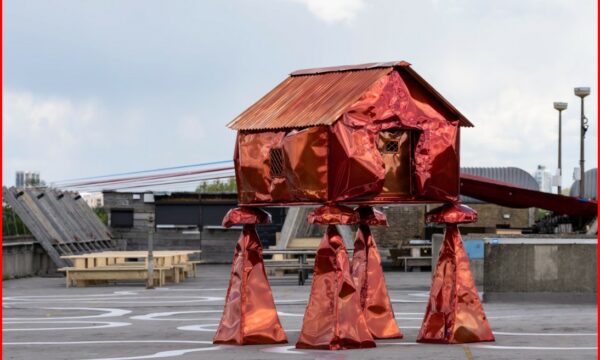
When it opened in 2007, the idea of rooftop bars, outdoor art installations or cultural experiences mixed with entertainment was not yet a mainstream part of the British scene. Bold Tendencies changed this approach by placing sculptures in a multi-storey car park, painting a staircase bright pink and building a rooftop cocktail bar.
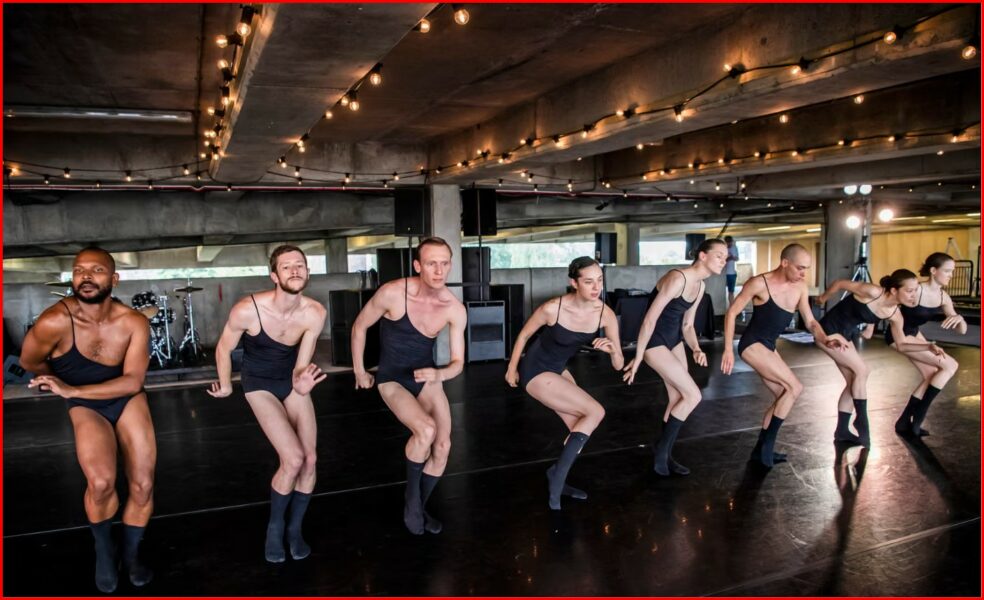
Now in its 20th summer season, the project celebrates two decades of artistic programming in a space that has often faced sun, wind and rain. Over the years, more than 3 million visitors have passed through the concrete building next to the Peckhamplex cinema. Bold Tendencies has commissioned dozens of new works, organised concerts, recitals and performances, and built an auditorium and a concert hall.
The space has featured installations by various artists, often created specifically for the site. Anthea Hamilton built a symbolic gateway to the sky through a man’s open legs in 2010; Jess Flood-Paddock placed Del Boy’s three-wheeled van on the roof in 2011; James Bridle launched a black balloon with Wi-Fi equipment into the air in 2014, while Adam Farah-Saad installed a retro decorative fountain in 2024. Most of these works have been specially commissioned and are open to the public free of charge.
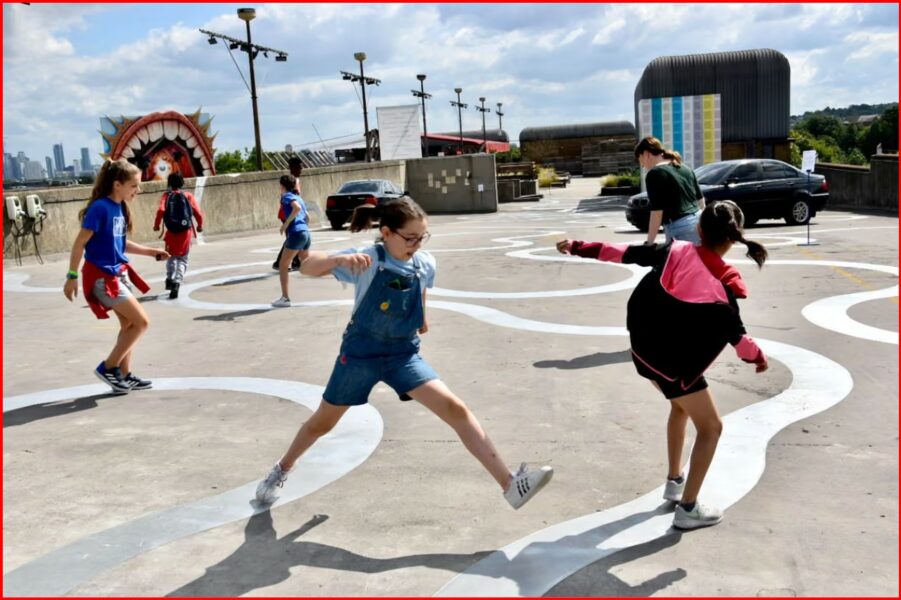
According to Hannah Barry, founder and key figure behind Bold Tendencies, the goal of the project has always been to create a space where people feel welcome. She emphasizes that visitors come for different reasons, they can stay for a short or long time, but what matters is the curiosity that brings them there.
In 2007, not just Peckham, but the entire British cultural landscape was very different. There was not yet a developed culture of “experienceable” or curated exhibitions for social media. Major sculptural commissions were few and far between, and opportunities for young artists to present new work on a large scale were limited.
Peckham at that time was not yet the vibrant cultural area it is known for today. However, there were some project spaces, cheap rents and an artists’ community, thanks to the proximity to Camberwell College of Arts and Goldsmiths. For Barry, this made the area a place of many opportunities.
The project also emerged from a collaboration with Southwark Council, which had vacant buildings under management or awaiting development. The idea was that artists could use these spaces for exhibitions, while also serving as caretakers of the unused buildings. This model has since been followed by other cultural organizations, although some see it as part of the wave of gentrification that has transformed London.
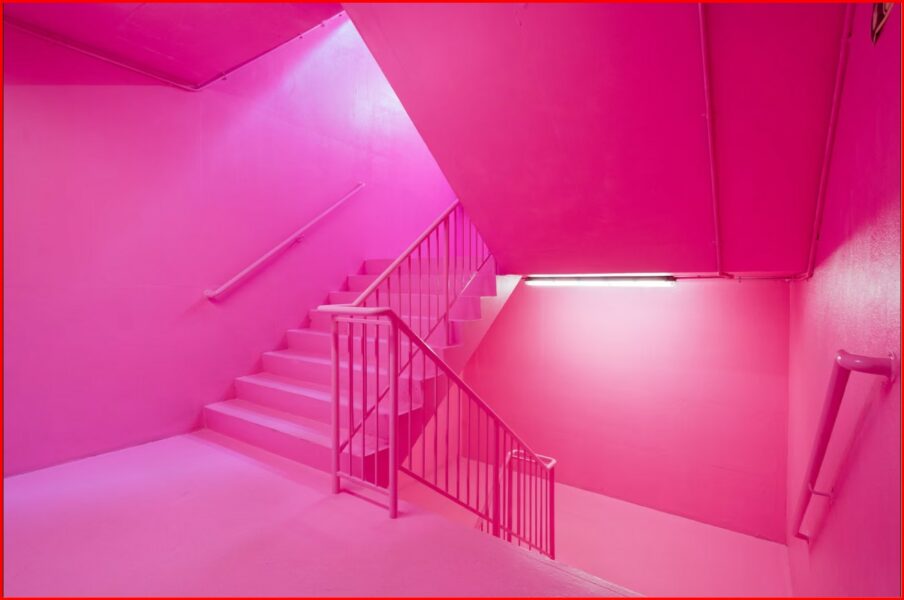
At the heart of Bold Tendencies are two permanent elements: the rooftop bar Frank’s Cafe and artist Simon Whybray’s iconic pink staircase, titled “hi boo i love you.” Frank’s Cafe was created as a way to make visitors stay longer in a cool, open space, but also as an opportunity for young architects to design and build a public space.
Whybray’s pink staircase, meanwhile, became one of London’s most photographed installations. At a time when galleries were still not thinking much about “Instagram moments,” the work went viral and became a symbol of the project. Whybray himself has described the public response as extremely powerful, emphasizing that Bold Tendencies proves that important artistic experiences can happen outside of traditional spaces.
However, success has not been easy. Barry admits that the project has been difficult from the beginning and continues to be so. Each year requires starting from scratch, continuous improvement and solving major logistical and financial challenges.
The future of Bold Tendencies remains closely tied to financial sustainability. Barry says that, if there were reserves for a few years of operation and programming, the project could undoubtedly continue for decades to come. However, despite the lack of reserves and difficulties, she emphasizes that the joy of creation and the opportunity to make the project better each year are the reasons that have kept the initiative alive.
After 20 years, Bold Tendencies remains more than an art space. It is an example of how an ordinary urban building can be transformed into a place of experimentation, meeting and cultural experience, changing not only a neighborhood, but also the way the public encounters contemporary art. /GazetaExpress/
[ad_2]
Source link
Other Articles

Shining a light on historical featherwork art
Graphic design – Neoclassical, Typography, Layout

No Comment! Be the first one.