
The historic jeweller’s relationship with London goes centre stage at the V&A museum. An exhibition of more than 350 of Cartier’s jewels, watches, clocks and objects – the first in Britain since 1997 – opens at London’s Victoria and Albert Museum this month, tracing the evolution of the house’s legacy of art, design and craftsmanship since the turn of the 20th century.
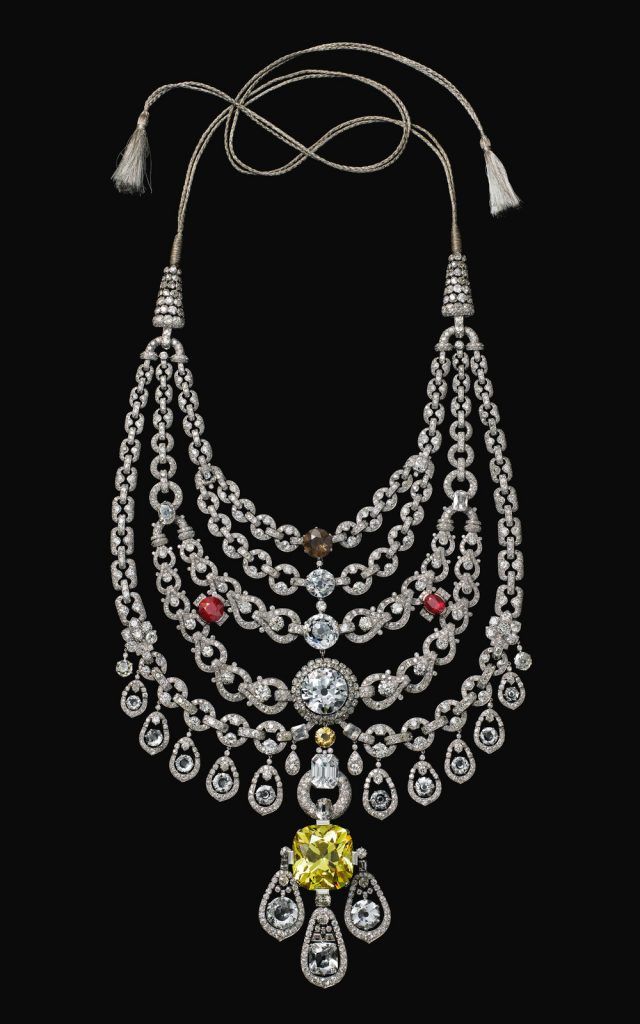
It was at that point that the three grandsons of founder Louis-François set out to create the first globally recognised jewellery house, establishing branches in Paris, London and New York. With an enviable client list of royalty and aristocracy, Cartier became known as “the jeweller of kings and the king of jewellers”, later broadening its appeal thanks to the devotion of leading creative talents from the worlds of cinema, music and fashion.
The exhibition includes precious jewels and show-stopping objects, historic gemstones, and notable watches and clocks from the V&A and Cartier Collection, as well as previously unseen drawings from the V&A and Cartier’s archives, together with works lent by major UK and international museums, and the Royal and private collections. “People don’t realise how important London was to the story of Cartier,” says co-curator Rachel Garrahan, “and it still holds a royal warrant to this day after being granted one in 1904.”
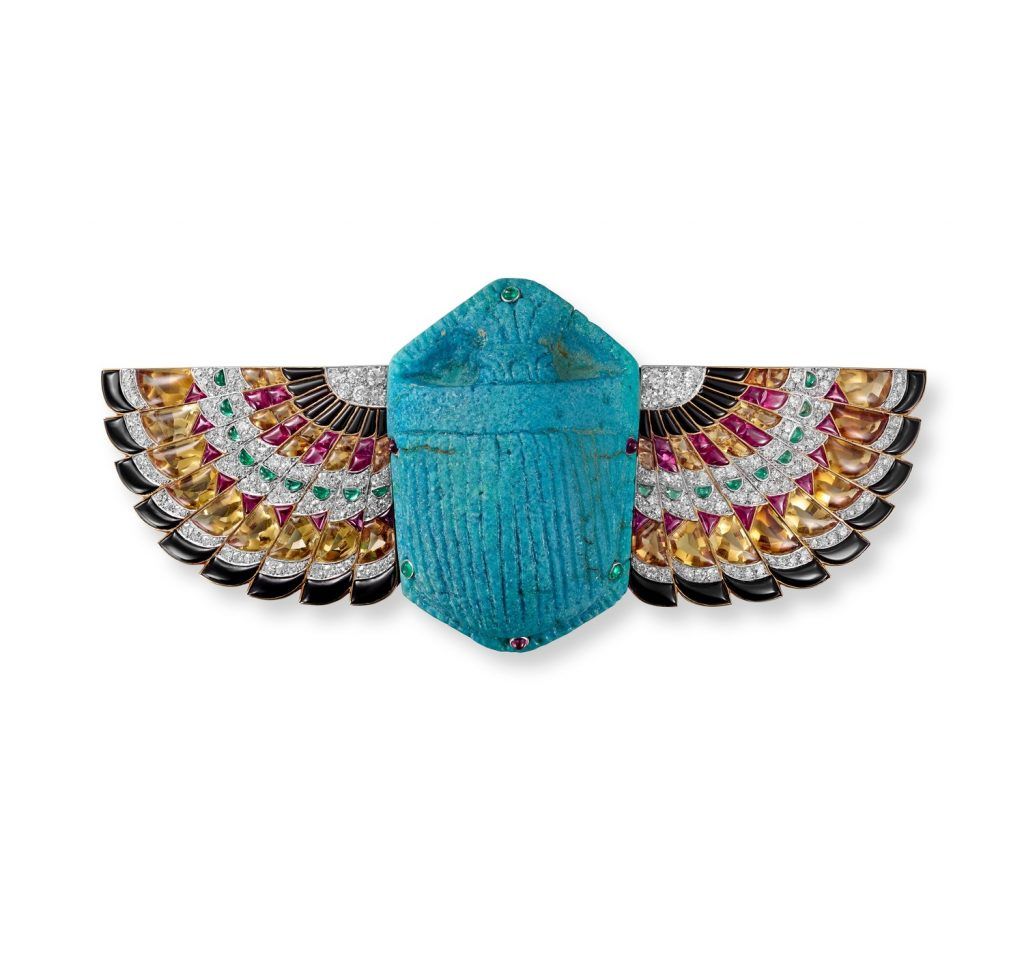
The exhibition opens with an introduction to Louis, Pierre and Jacques Cartier, who were united in their ambition to grow the family business, which had been established by their grandfather in 1847, into a business of global renown. Their complementary skills enabled them to expand the house internationally and at the highest level of society.
They had distinctly different characters. Louis was focused on the creative side, hiring designers and insisting the firm create unique pieces in Cartier’s Style. Pierre was a born businessman, who felt the need to go to New York and run the firm’s branch there according to the rules of the New World. And whereas Louis created links with the old aristos of Europe, Pierre surrounded himself with the leading new-money families of America, marrying the daughter of a rich industrialist and entertaining Hollywood artists to dinner.
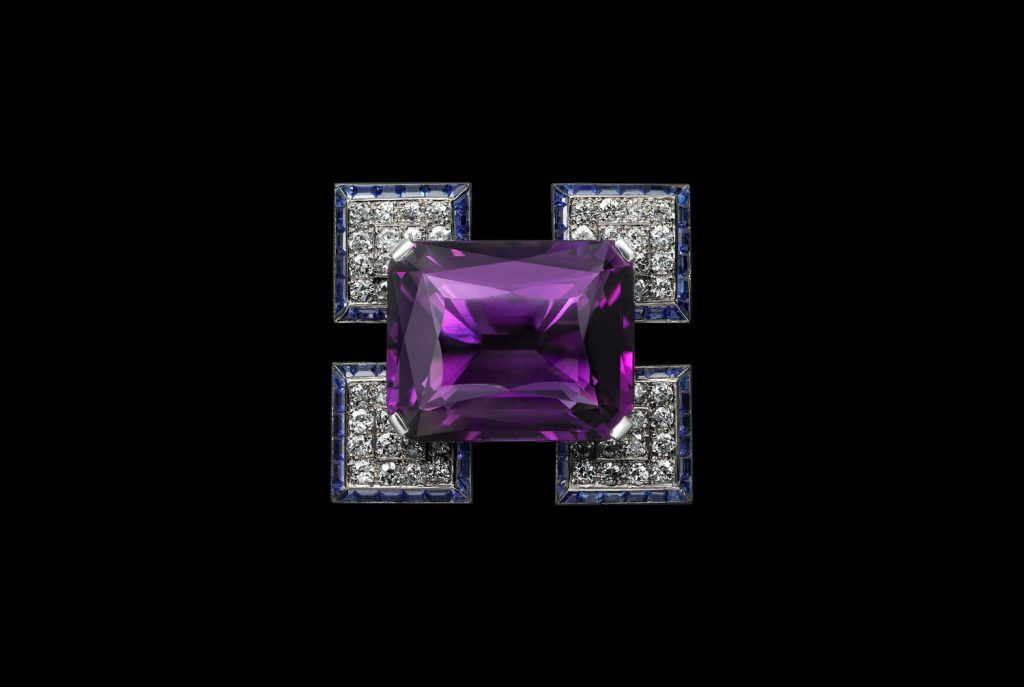
And then there was Jacques, well- rounded, sensitive and the youngest. When his father Alfred divided up the business in 1919, Jacques was given London, and he provided valuable suggestions for the design studios and a canny knack for buying gemstones of the highest-quality. He spent much of this time nurturing relationships and travelling on sourcing trips across the Indian subcontinent and the Middle East, as he secured access to some of the most important gems – and collectors – in the world.
Jacques wasn’t particularly social by nature, but he became well-networked within British high society, thanks in part to being a savvy marketeer. He’d offer jewels as prizes for charity events or lend jewellery to socialites for events, such as the Jewels of the Empire Ball at the Park Lane Hotel, the hot invite of the day. Most evenings after work, he and his wife Nelly would dine out in London with clients, visiting French dignitaries or friends.
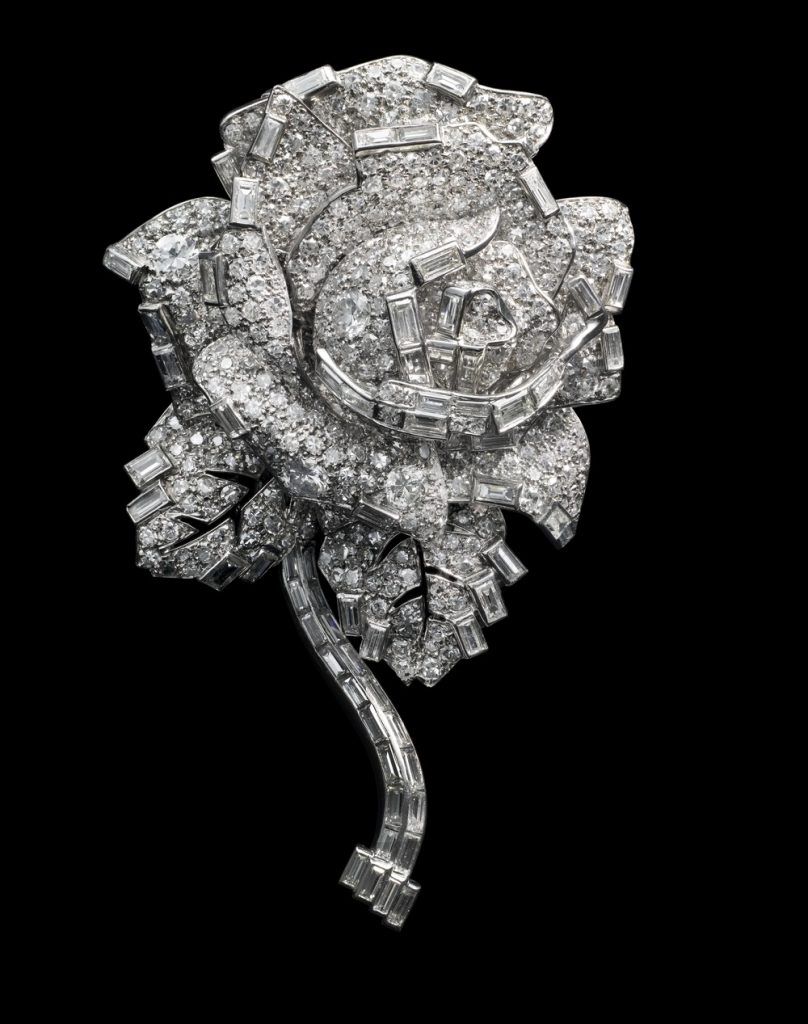
The 1920s were an exciting time for growth, when new money was competing with old; Jacques’ acquaintances included a growing number of financiers, industrialists, and entrepreneurs, from Victor Sassoon to Captain Alfred Lowenstein (before his mysterious early death falling from his private plane). Clients of the London branch also covered the spectrum of English high society, from aristocrats and heiresses such as Lady Sackville (known to pop in to buy gifts for her daughter, the writer Vita Sackville-West, after their momentous rows) to a new generation of “bright young things”.
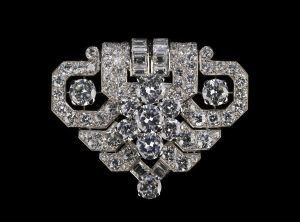
Satirised in the novels of Nancy Mitford and Evelyn Waugh, this fast-living wealthy bohemian group had expense accounts at Cartier and danced all night in diamonds. Their number included Nancy Cunard, Lady Abdy, Lois Stuart, the Guinness sisters, and even Daisy Fellowes, whose famous Collier Hindou necklace was made in Paris but who – like many clients – shopped in all three of Cartier’s branches: in London, she bought the 17.47-carat Youssoupoff Tête de Bélier (ram’s head) pink diamond, which was said to have later inspired Elsa Schiaparelli’s signature shocking pink.
By the late 1920s, Jacques had succeeded in creating such a distinct identity for Cartier London that he decided to buy his two brothers out of the branch. But the three arms remained intertwined, as the brothers continued to share everything from designs to clients to gems. And though Jacques was living in England and running a British company, he never lost that sense of duty to his native France, even becoming head of the Alliance Française in London.
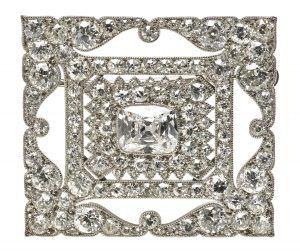
In a section entirely devoted to the materials behind Cartier’s creations, some of the finest gems in the world are on view – a necklace owned by American heiress Barbara Hutton, made from one of the finest collections of jade beads in existence, as well as the 101-carat vivid yellow diamond Allnatt brooch.
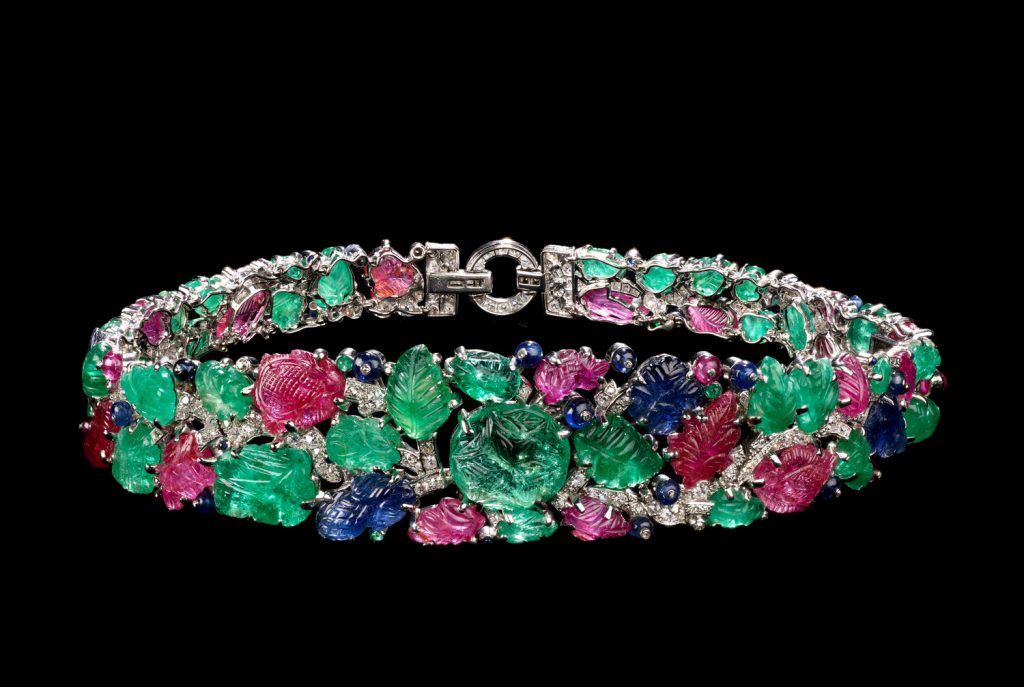
Also on display is an unrivalled display of Tutti Frutti jewels, including the Mountbatten bandeau, made by Cartier London in 1928 and a rare example of a Tutti Frutti head ornament, which was bought by Edwina Mountbatten, later the last Vicereine of India through her husband Louis, the First Earl Mountbatten of Burma.
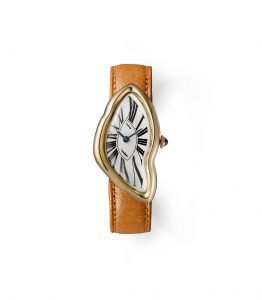
As time went on, actors and music artists replaced royalty and aristocrats as the style icons of their day. Successive generations of artists have admired Cartier and given it their own contemporary twist, helping it remain one of the most recognisable names in the world today.
A highlight from this section includes Grace Kelly’s 10.48-carat step- cut diamond of Cartier’s engagement ring that she wore in her last film before she married Prince Rainier III of Monaco, which is on loan from the principality’s Palace Collection.
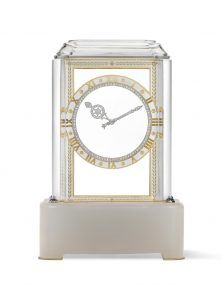
Fittingly, the exhibition culminates in a spectacular display of tiaras. Highlights include a “garland-style” troll tiara from 1902 that was worn at Elizabeth II’s coronation, and by Rihanna in 2016 on the cover of W Magazine. An aquamarine, diamond and platinum tiara made by Cartier London in the year of the coronation of King George VI, when “tiaramania” was reported in the UK press, stands alongside other jewels featuring coloured gemstones such as amethyst and citrine that became fashionable in the 1930s. And though today the wearing of tiaras is less prevalent on the social calendar, they remain a pinnacle of glamour, romance and artistry, some of Cartier’s “trophy- est” moments.
This article was first publish on Prestige Hong Kong
The information in this article is accurate as of the date of publication.
Other Articles


No Comment! Be the first one.